
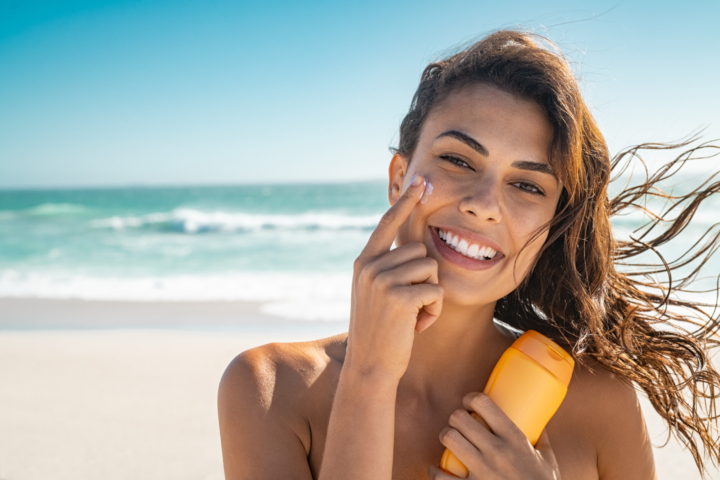
Summer, sun – sunburn? You probably know the feeling: All winter long we long to finally feel warm sun rays on our skin again, to lie on the beach or in a lake and to go hiking, cycling or jogging without a thick jacket.
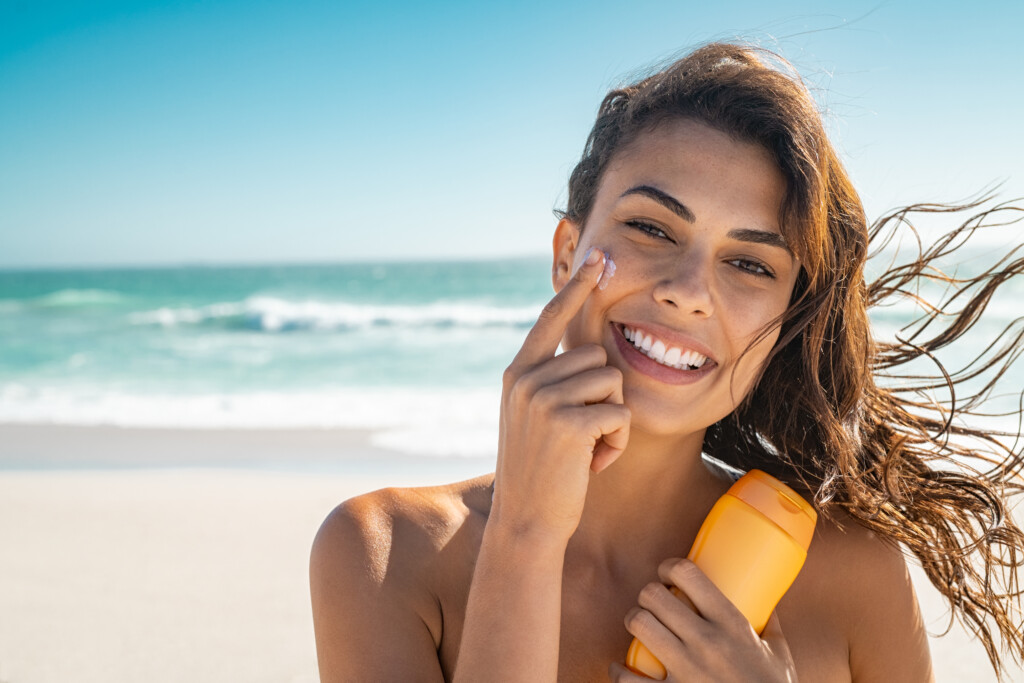
What we regularly forget in our summer euphoria is our sunscreen. The painful consequences don't take long to appear – without sufficient UVA/UVB protection, your favorite outdoor activity or weekend sunbathing will leave unsightly and potentially harmful marks on your skin – in short: you'll get sunburned.
Furthermore, your skin's needs change significantly in summer. To properly care for it and protect it from environmental influences, you should put your usual skincare routine on hold for the summer and adapt it to the warmer season. In this article, we'll tell you which skincare products you should rely on in summer, how to regenerate irritated skin, and give you tips for first aid for sunburn. This way, you and your skin are guaranteed to get through the summer unscathed.
Irritated skin due to sunburn: What causes it?
Sunburn (lat.). Solar dermatitisSunburn occurs when excessive sun exposure burns the skin. How quickly this happens and how severe the consequences are depends on your individual circumstances Skin types, from medications you are taking or the intensity of the sun.
A distinction is usually made between six different skin types, each with a specific natural protection time against sun damage:
- Type 1 skin has very fair skin, usually reddish to reddish-blonde hair, and hardly tans in the sun. The skin's natural sun protection time is a maximum of 15 minutes.
- Type 2 individuals have fair skin, blonde to brown hair, and tan little to moderately in the sun. Their skin's natural protection time is a maximum of 20 minutes.
- Type 3 individuals have fair to light brown skin, dark blonde to brown hair, and tan progressively in the sun. Their skin's natural sun protection time is a maximum of 30 minutes.
- Type 4 individuals have brown to olive-colored skin, dark brown hair, and tan progressively in the sun. Their skin's natural protection time is a maximum of 40 minutes.
- Type 5 skin has dark brown skin, dark brown to black hair, and does not tan further in the sun. The skin's natural sun protection time is a maximum of 60 minutes.
- Type 6 skin is dark brown to black, with black hair, and does not tan further in the sun. The skin's natural sun protection time is a maximum of 90 minutes.

Incidentally, sunburns are the same as those caused by fire or other heat exposure. They are classified into three different degrees of severity:
Ultraviolet radiation – or UV radiation for short – is responsible for sunburn: UV-A radiation includes wavelengths from 400 to 315 nm, while UV-B radiation includes wavelengths from 315 to 280 nm. UV-C radiation, with a wavelength of 280 to 100 nm, is filtered out in the upper layers of the Earth's atmosphere and does not reach the skin.
As a general rule, the shorter the wavelength, the more harmful and energetic the radiation. UV-B radiation is particularly dangerous for the skin, as it damages the cells in the epidermis, causing inflammation of the deeper dermis within a few hours. We all know the result: sunburn; the skin is red, swollen, itchy, and painful.
UV-A rays penetrate deeper into the skin, reaching the dermis, and are therefore primarily responsible for premature skin aging.
By the way: You won't notice the true extent of your sunburns immediately after sunbathing. It takes about six to eight hours for the first symptoms to appear, and the discomfort reaches its peak 24 to 36 hours later.
First aid for sunburn: 5 tips to regenerate your skin
Whether it's on your bikini line, that one hard-to-reach spot on your back, or that part of your head you always forget: once you get sunburned, you need to act fast. We've compiled five tips to help soothe irritated skin and provide first aid. But be careful: only use our tips for mild sunburn! As soon as your skin starts to blister, you should definitely seek medical attention.
1. Soothe sunburn: Cool immediately
If your skin is burning, tight, and stinging, cooling it down will soothe your discomfort. For example, cool your sunburn with damp compresses that should remain on your skin for about one to two hours. Keep it moist during this time, for example with cool chamomile or green tea. A lukewarm to cold shower can also work wonders.
2. First aid for sunburn: Anti-inflammatory creams
If home remedies don't help, you can seek advice from a pharmacist and use specially formulated products: burn gels or creams containing cortisone can soothe sunburn. If necessary, anti-inflammatory painkillers such as ibuprofen can also be taken for pain relief.
3. Regenerate skin: After-sun products
Sunburn deprives your skin of a lot of moisture. After-sun products provide essential moisture and soothe irritated skin. Make sure they contain panthenol – this helps relieve unpleasant itching and cools your burned skin.
Also Aloe vera Aloe vera is a true miracle cure for sunburn first aid: its juice has a cooling and pain-relieving effect. Simply cut open a leaf, collect the juice, or drip it directly onto your burned skin. Is DIY after-sun too complicated for you? Many products from drugstores or pharmacies contain aloe vera; you can even buy pure aloe vera gel.

4. Soothe sunburn: Drink plenty of fluids!
What after-sun products do externally, adequate hydration does internally: it provides you with the necessary moisture after sunburn, supports the regeneration process, and thus ensures beautiful skin from the inside.
Sanft & SchönTip: Make sure you drink plenty of fluids while sunbathing or during outdoor activities – this will help prevent sunstroke and headaches. Water also cools your body from the inside and gets your circulation going.
5. First aid for sunburn: Stay in the shade
The most important rule of thumb for sunburn: Stay in the shade until your skin has recovered. Even when out of direct sunlight, cover your reddened skin areas with light, loose-fitting clothing, ideally made of natural fibers. You should absolutely avoid tight-fitting clothing, as it can rub against your skin and cause pain. Burned your face? Then a wide-brimmed sun hat will protect you completely and look stylish too!

Perfect skincare in summer: Adapt your skincare routine to the warmer season
It's not just sunburn that puts a strain on your skin during the warmer months: To optimally nourish your summer skin and regenerate irritated skin, you should definitely adapt your skincare routine to the changing weather conditions. Because: With the first warm rays of sunshine, your skin's needs also switch to summer mode.
Why? If your skin was rather dry in winter, sebum production increases again in summer – meaning your skin is a bit oilier when it gets warmer. That's why your face feels oily and shiny more quickly. Increased humidity exacerbates this effect. Therefore, the motto for well-cared-for summer skin is: Leave rich textures (water-in-oil emulsions) in the cupboard and increase your use of lipid-free moisturizers (oil-in-water emulsions)!
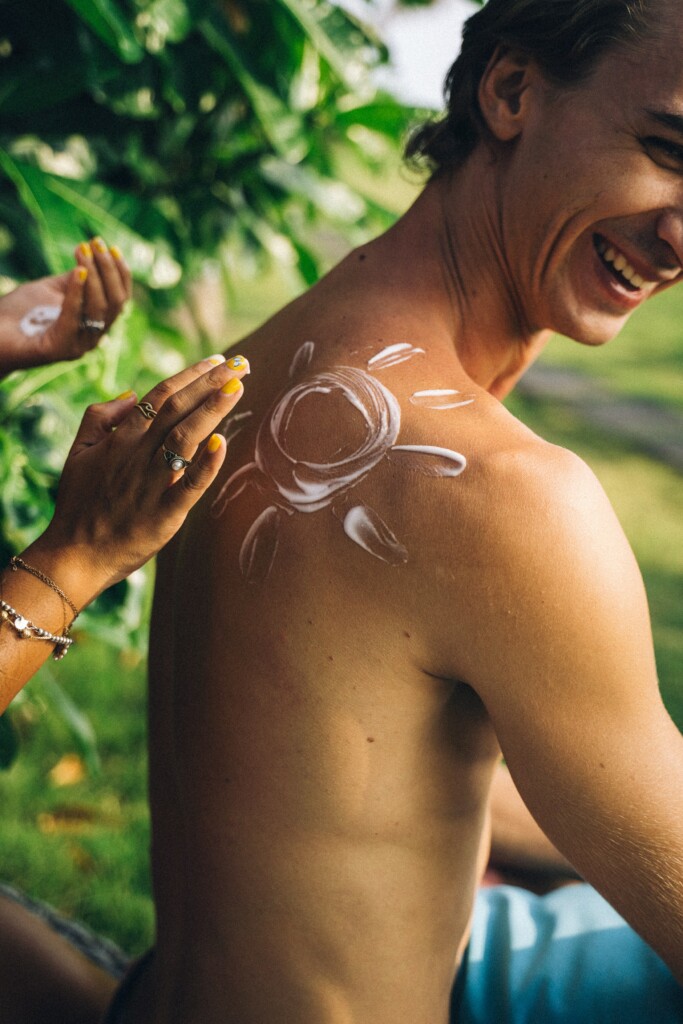
Moisturizing care for radiant summer skin
Do you have rather dry skin? Then you'll quickly notice that your skin produces more oil in the summer and you need less rich care. We recommend applying a small amount of facial oil or cream with plenty of moisturizing serum. This will provide your skin with sufficient moisture and a bit more nourishment.
If you have oily or combination skin, a hydrating skincare routine is very important, as it improves the skin's natural cleansing function by liquefying sebum. To ensure that excess sebum can be effectively removed, you should completely avoid oil-based products and only use a hydrating serum, for example, one containing hyaluronic acid or niacinamide vitamin C or Aloe Vera.
Determine your skin type in this article.
Sanft & Schöntip: For a little boost of freshness in the morning or evening, you can store your favorite serum in the refrigerator!
Skincare in summer: The most important thing is high UV protection!
Not only in summer, but all year round, our most important skincare rule applies: Protect your skin from UV radiation! Many day creams now have at least a light, integrated UVA and UVB protection – however, this is usually not enough to protect your skin from sunburn and other sun damage.
Because: To properly protect your facial skin, you need to apply a lot of cream. You can determine the correct amount using the 'three-finger rule': your index, middle, and ring fingers should be covered with a strip of cream. We also recommend using a sun protection factor (SPF) of at least 30 and ensuring that it actually covers both UVA and UVB radiation.
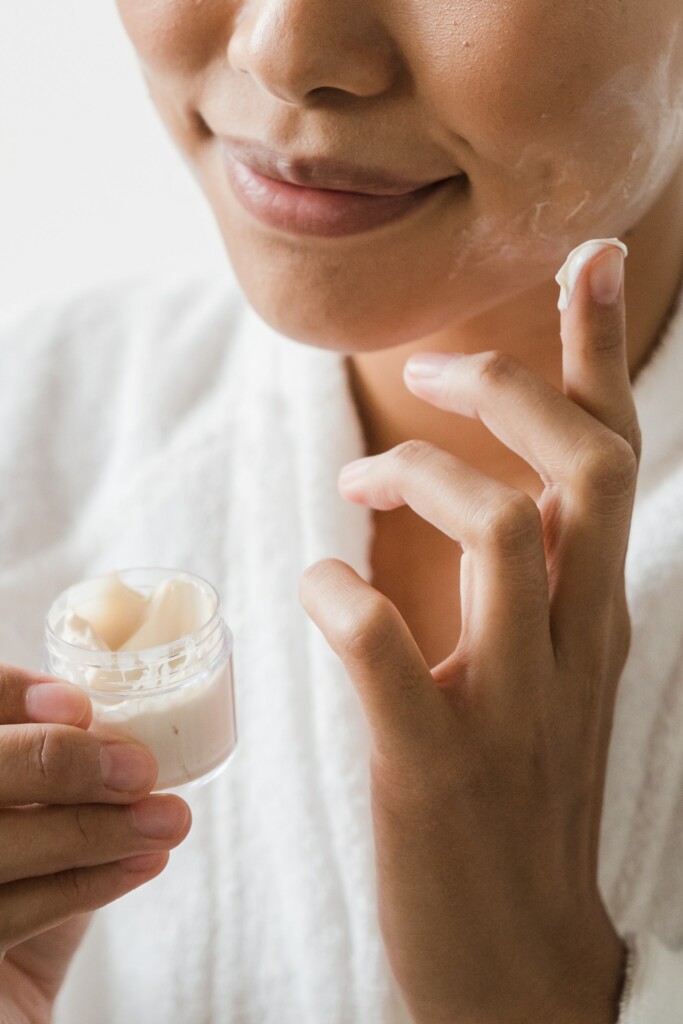
To prevent your sebaceous glands from becoming clogged and shrink large poresYou should also use a product that is non-comedogenic, has a light texture without many oils, and allows your skin to breathe. If you choose a synthetic UV filter, you can easily integrate your cream into your skincare routine. With mineral filters, you should apply your regular skincare products first, and then the sunscreen.
Gentle facial cleansing for irritated skin
Hot temperatures, constant sun exposure, sweat, and other factors make it difficult for your skin in summer: These harsh environmental influences can quickly lead to irritated skin. Therefore, pay particular attention to gentle facial cleansing during the summer months.
Thorough skin cleansing is especially important in the evening: Stubborn residues of sunscreen and other skincare products can clog your pores, leading to breakouts and irritation. Therefore, cleanse your face with mild, gently foaming, water-based products. Soothing ingredients like aloe vera, salicylic acid, or grape seed extract are also ideal.
Incorporate these skincare highlights into your routine.
Summer skincare: Scrubs for a perfect glow
Regular exfoliation should definitely be part of your skincare routine in summer. Exfoliation not only removes dead skin cells, but also leaves your skin wonderfully smooth and glowing, ensuring an even tan.
Furthermore, your skincare products can work more effectively when your pores aren't blocked by dead skin cells, and hair removal is more thorough because there are fewer ingrown hairs. Another beneficial side effect: exfoliation reduces blemishes and promotes blood circulation – leaving your skin irresistibly beautiful and rosy in the summer!
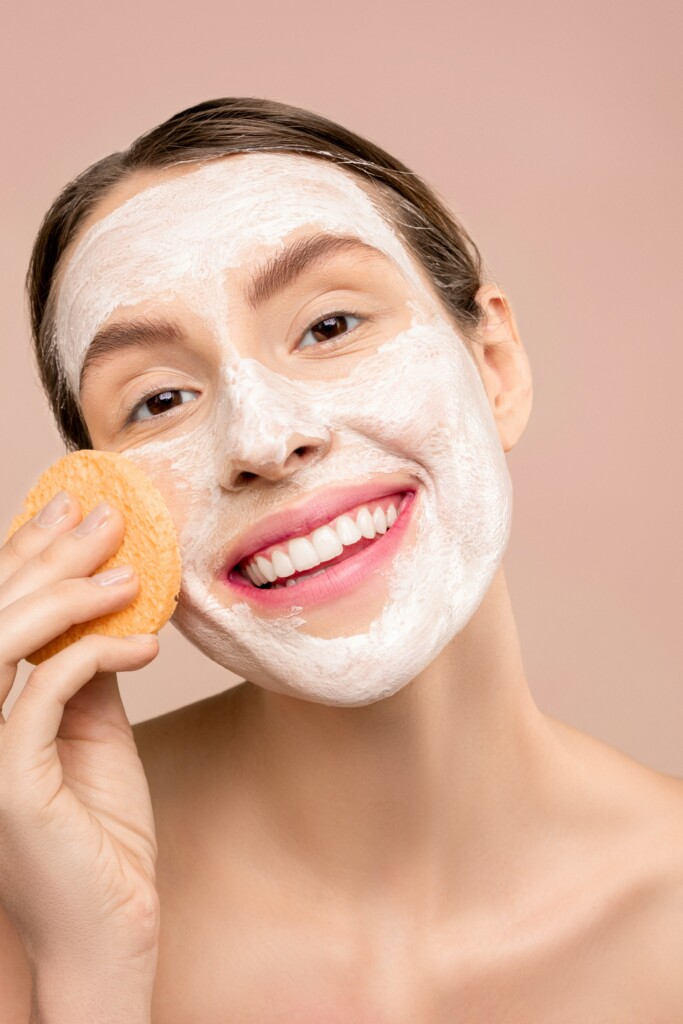
Use a mechanical exfoliator for your body, such as a body scrub from the drugstore or beauty tools like a dry brush or a sisal glove. Brush yourself with it before showering – this will give you an extra boost in the morning and has a massage-like effect.
For your face, you should use gentle enzyme peels. Avoid fruit acid complexes like AHA and BHA in the summer, as their exfoliating effect increases your skin's sensitivity to light. If you still want to use these peels, apply them only before going to bed and be sure to use extra sun protection for the next few days.
Beautiful summer skin: Professional treatments with a wow effect
Do you want to optimize your skincare routine in summer and regenerate irritated skin? For radiant skin in spring And in summer, you should definitely opt for professional care! Our Sanft & Schöntreatments are the perfect complement to your skincare routine: While your own skincare products usually only have a short-term and superficial effect, our treatments unfold their full potential Aquafacial, Microneedling and Microdermabrasion treatments in Berlin Mitte Their effects penetrate deep into the skin. Our treatments revitalize your irritated summer skin, rejuvenate and firm at the first signs of aging, which are exacerbated by factors such as intense sun exposure. We would be happy to advise you in detail about our treatment options – either directly at our beauty salon in Berlin-Mitte, by phone, or by email.
Conclusion on skincare in summer: How to regenerate irritated skin
Intense sunbathing, thick layers of sunscreen, and the occasional sunburn – our skin has to endure a lot in the summer. To prevent long-term skin damage and allow irritated skin to regenerate, you should never leave the house without sunscreen during the warmer months – we recommend a cream with SPF 30; higher is, of course, even better. Adapt your skincare routine to your skin's changing needs: focus on plenty of moisture, light textures, regular exfoliation, and thorough cleansing in the evening. Regular treatments at a beauty salon are the perfect complement to your personalized skincare regimen.
If you do happen to get sunburned: First aid for sunburn includes cool compresses, moisturizing after-sun products with aloe vera or panthenol, a visit to the doctor, plenty of fluids, shade and a sun hat.